Is Abortion Legal in Your State? 2026 Laws & Exceptions
The short version
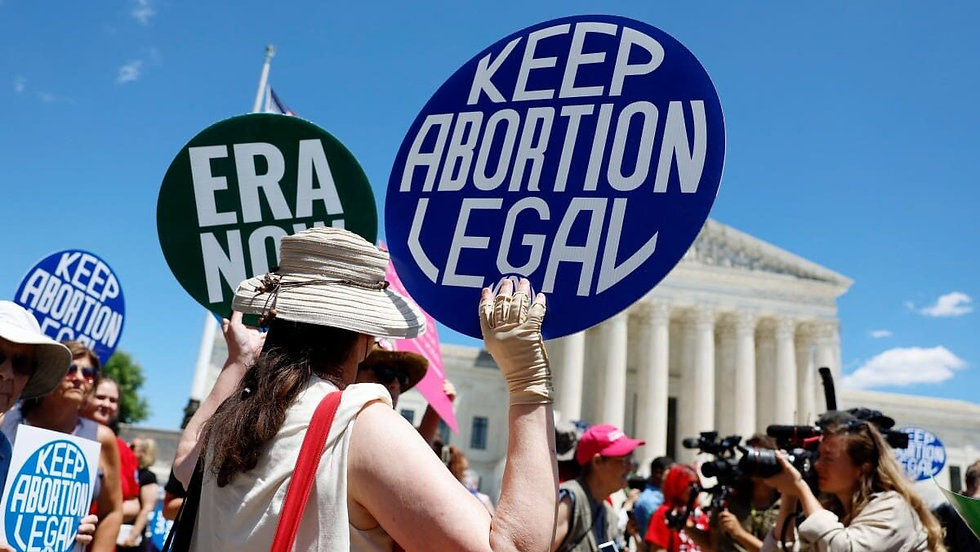
Since the Supreme Court overturned Roe v. Wade in 2022, each state sets its own abortion rules. As of July 2026, 13 states have banned abortion: Alabama, Arkansas, Idaho, Indiana, Kentucky, Louisiana, North Dakota, Mississippi, Oklahoma, South Dakota, Tennessee, Texas, and West Virginia. Several other states ban it early in pregnancy, and about half the country still protects access through fetal viability or later. KFF
Your options come down to three things: how far along you are, where you live or can travel, and which method you use. Medication abortion (the pill) can often be done by telehealth, which matters most in ban states.
How to read this guide
Gestational age is counted from the first day of your last period, not from the day you got pregnant. Pregnancy usually starts about two weeks later, and you miss your period at about week four. That means "six weeks" is only about two weeks after a missed period, which is often too early for people to know they're pregnant.
Viability is the point when a fetus can survive outside the womb, generally around 24 weeks. States that allow abortion "until viability" usually still allow it later for serious health reasons.
Exceptions are the situations where an abortion is still allowed under a ban. Many have strict conditions, such as a police report for rape or incest.
State-by-state tables
The tables below draw on Britannica's tracker, last updated in August 2026. I added newer court developments where they applied.
Group 1: Total bans (13 states)
These states prohibit abortion at every stage, with narrow exceptions. Encyclopedia Britannica
State | Exceptions |
Alabama | To save the pregnant person's life or prevent serious health risk |
Arkansas | Life of the pregnant person only |
Idaho | Life; rape or incest if reported to police. A federal judge added a health exception on Aug. 13, 2026, but it was later narrowed to one plaintiff physician, and the state is appealing |
Indiana | Serious health risk or life; lethal fetal anomaly; rape or incest before 12 weeks |
Kentucky | Life or prevention of serious, permanent harm |
Louisiana | Life or serious permanent impairment; lethal fetal anomaly |
Mississippi | Life; rape (reported to law enforcement) |
North Dakota | Life or serious health risk; rape or incest up to 6 weeks |
Oklahoma | Medical emergency to save the pregnant person's life; no rape or incest exception |
South Dakota | Life only |
Tennessee | Life or serious risk of major bodily harm |
Texas | Limited life-threatening medical emergencies |
West Virginia | Medical emergency, ectopic pregnancy, nonviable fetus; rape or incest up to 8 weeks for adults and 14 weeks for minors (reported to law enforcement) |
Exceptions are often written in vague medical language. Doctors in these states may wait until a patient is very sick before acting, so ask your provider exactly what they consider covered.
Group 2: Early gestational bans (6 to 12 weeks)
State | Limit | Exceptions |
Florida | About 6 weeks | Life; rape, incest, domestic violence, or trafficking up to 15 weeks if reported to police; fatal fetal abnormality until the third trimester. Pills must be dispensed in person by a physician |
Georgia | About 6 weeks | Life; lethal fetal anomaly; rape or incest through 20 weeks if reported |
Iowa | About 6 weeks | Life; lethal fetal anomaly before 20 weeks; rape or incest if reported within 45 days (rape) or 140 days (incest) |
South Carolina | About 6 weeks | Life or health; lethal fetal anomaly; rape or incest up to 12 weeks |
Nebraska | 12 weeks (11 weeks, 6 days) | Rape, incest, life, ectopic pregnancy |
North Carolina | 12 weeks | Ectopic pregnancy; rape or incest through 20 weeks; lethal fetal anomaly through 24 weeks |
Group 3: Later gestational limits (18 to 24 weeks)
State | Limit | Exceptions |
Utah | 18 weeks | Life or health; lethal fetal anomaly (litigation over Utah's laws continues) |
Wisconsin | 22 weeks | Life of the pregnant person |
New Hampshire | 24 weeks | Life; lethal fetal anomaly |
Pennsylvania | 24 weeks | Life or health |
Massachusetts | 24 weeks | After 24 weeks, a physician can decide based on professional judgment. Gov. Maura Healey signed this change on August 10, 2026 |
Group 4: Legal until viability (19 states)
Abortion is allowed until roughly 24 weeks, and later to protect life or health.
State | Notes |
Arizona | Life or health exception after viability |
California | Life exception after viability |
Connecticut | Life exception after viability |
Delaware | Life or lethal fetal anomaly after viability |
Hawaii | Life exception after viability |
Illinois | Life or health exception; "health" is defined broadly |
Kansas | Life exception after viability |
Maine | Physician's discretion after viability |
Maryland | Life, health, or lethal fetal anomaly after viability |
Michigan | Life exception after viability |
Missouri | Protected by the 2024 constitutional amendment (see the ballot section below) |
Montana | Life or health exception |
Nevada | Generally limited at 24 weeks; life or health exception |
New York | Life, health, or lethal fetal anomaly after viability |
Ohio | Life or health exception |
Rhode Island | Life or health exception |
Virginia | Life or health exception after viability |
Washington | Life or health exception after viability |
Wyoming | Legal. A state trial judge blocked the six-week "heartbeat" ban in April 2026 while the case proceeds, and a viability limit applies in the meantime |
Group 5: No gestational limit in state law (7 states and D.C.)
Alaska, Colorado, Minnesota, New Jersey, New Mexico, Oregon, Vermont, and Washington, D.C. These places set no state-law cutoff. Individual clinics and hospitals still set their own limits, and later abortions may require travel to a specialized provider.
Latest developments to know about
Idaho. A federal court expanded Idaho's exceptions to cover serious health threats on August 13, 2026, but a later order limited that ruling to care provided by the physician plaintiff. In practice, the ban still applies to almost everyone. Idaho's attorney general has said he will appeal. Guttmacher Institute
Wyoming. In January 2026, the state Supreme Court ruled 4-1 that Wyoming's two abortion bans conflict with a constitutional right to make health care decisions. Lawmakers then passed a six-week ban, which a judge has paused. WyoFile
Missouri. In June 2026, a Jackson County court struck down a series of restrictions, allowing at-home medication abortion and continued procedural care, while upholding a physician-only rule and an in-person visit requirement. Center for Reproductive Rights
The abortion pill. On May 14, 2026, the Supreme Court stayed a Fifth Circuit order that would have ended telehealth prescribing and mail delivery of mifepristone nationwide. Appeals judges heard arguments on Sept. 9, 2026, appeared doubtful that Louisiana has standing to sue, and have not yet ruled. The FDA's own review of the drug is also unfinished. Telehealth access continues for now, but this could change. GoodwinMedical Daily
November 2026 ballot measures. Voters in Idaho, Missouri, Nevada, and Virginia will weigh in on abortion measures. Details: KFF
Missouri: the legislature put a measure on the ballot to repeal the 2024 abortion-rights amendment. If passed, it would ban abortion except to protect the life of the mother or, up to 12 weeks, in cases of rape and incest. Wikipedia
Idaho: voters will decide whether state law should allow abortion through viability. Because this is a statute and not a constitutional amendment, lawmakers could repeal it even if it passes. KFF Health NewsThe 19th News
Nevada and Virginia: both are voting on constitutional amendments that would protect existing abortion rights.
What you need to get an abortion
Requirements vary, but most people will need some or all of the following.
1. A confirmed pregnancy and gestational age. Clinics usually date the pregnancy with an ultrasound or your last period date. This decides which options are legal and available.
2. A provider. Options include a clinic (Planned Parenthood or an independent clinic), a telehealth provider for the pill, or a hospital for later or medically complex care. AbortionFinder.org lists verified providers by state.
3. Photo ID and payment or insurance details. Some clinics ask for ID. Costs vary widely, roughly a few hundred dollars for telehealth or clinic pills and more for procedures later in pregnancy. Medicaid coverage of abortion is limited by federal rules, though some states use their own funds.
4. Consent and state-required steps. Depending on the state, this can include counseling, a waiting period, an in-person visit, or a mandatory ultrasound.
5. Parental involvement if you're under 18. Many states require a parent's consent or notice. Most also have a "judicial bypass," where a judge can approve the abortion instead. Check your state's rules first.
6. A plan for travel, time off, and a support person. If you're traveling, allow extra time and money. Abortion funds and practical support networks can help with travel and lodging.
Medication vs. procedural abortion
Medication abortion uses mifepristone and misoprostol, typically in early pregnancy (often up to about 10 to 11 weeks). It can be prescribed by telehealth and mailed in states where that is allowed.
Procedural abortion is done in a clinic or hospital and is used later in pregnancy or when medication isn't a good fit.
If you live in a ban state
Travel. Traveling to another state for care is legal, and many people do it.
Telehealth from shield-law states. Shield laws generally protect providers from out-of-state subpoenas, investigations, and arrests, but only while they are physically located in the shield-law state. Guttmacher estimates 91,000 abortions were provided by telehealth to residents of total-ban states in 2025. These laws are being challenged in court, and Louisiana has indicted a New York physician for allegedly prescribing pills to a Louisiana teenager. Supreme Court Stays Fifth Circuit Order Banning Telehealth Prescribing and Mail Dispensing of Mifepristone | Insights & Resources | Goodwin +2
Legal help. Bans generally target providers rather than the pregnant person, but details differ by state. The Repro Legal Helpline (844-868-2812) offers free, confidential guidance.
Miscarriage, ectopic pregnancy, and emergencies
Bans can affect how doctors treat pregnancy loss and emergencies. If you are bleeding heavily, in severe pain, or feel very unwell during a pregnancy, go to an emergency room. Ectopic pregnancy is a medical emergency and is generally an exception even in strict states, but delays can happen. If you're turned away, ask to speak with a supervisor or patient advocate.
Where to get help and current information
AbortionFinder.org: verified providers and state-by-state guides
National Abortion Federation hotline: 1-800-772-9100 (referrals and financial help)
Repro Legal Helpline: 844-868-2812 (legal questions)
Guttmacher Institute, Center for Reproductive Rights, and KFF: regularly updated legal trackers
Frequently asked questions
Can a home pregnancy test detect pregnancy at week 4? Yes. Week 4 is when most people miss their period, and that is usually the earliest day a home test gives a reliable result. Most tests are designed to work from the first day of a missed period.
Is abortion legal in all 50 states? No. Thirteen states enforce total bans, and several more ban abortion early in pregnancy.
Can I travel to another state for an abortion? Yes. Traveling across state lines for legal care is legal.
Can I get the abortion pill by mail? In many states, yes, by telehealth. Federal telehealth access continues for now, but a federal court case could change that. Florida requires pills to be dispensed in person, and some other states have their own rules.
Are there exceptions for rape or incest? It depends on the state. Some allow them with a police report and a time limit, and others have none.
Will laws change again soon? Very likely. Court rulings, the November 2026 ballot measures, and the FDA's mifepristone review could all shift the map.


Comments