How to Report Cryptocurrency Ponzi Schemes
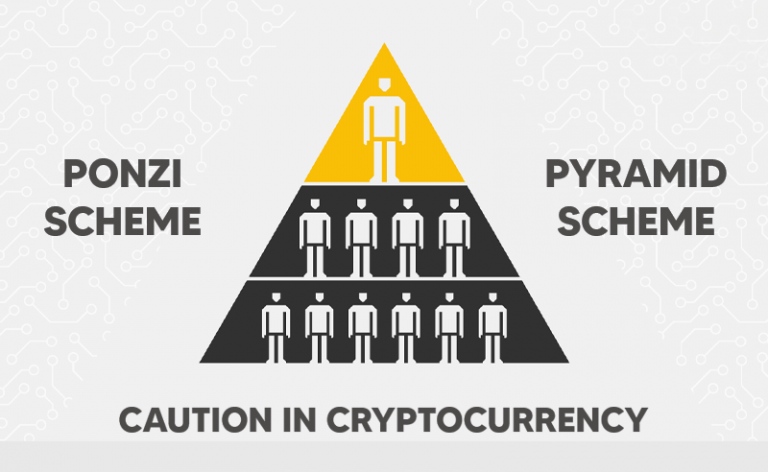
If you've put money into a crypto platform that promised steady returns and is now stalling on withdrawals, dodging your questions, or has simply gone silent, you may be looking at a Ponzi scheme. The good news is that the U.S. has several agencies built specifically to take these reports, investigate them, and in some cases claw back funds. The frustrating part is that most victims don't know which agency to call, so they either give up or file in the wrong place and wait months for nothing to happen.
This guide walks through what a crypto Ponzi scheme actually looks like, what to collect before you file a report, and exactly where each report should go.
What a Crypto Ponzi Scheme Looks Like
A Ponzi scheme pays "returns" to early investors using money from newer investors, not from any real trading, mining, or business activity. Crypto just gives the scam a modern coat of paint — a slick dashboard, a whitepaper full of jargon, maybe a Telegram group with thousands of members hyping the coin.
A few patterns show up again and again:
Guaranteed or unusually high returns, often quoted as a fixed percentage per week or month, regardless of how the broader market is doing
Heavy pressure to recruit other investors, with bigger payouts for people who bring in referrals
An account balance that keeps climbing on-screen but can't actually be withdrawn — you're told you first need to pay a "tax," "insurance fee," or "unlock fee"
Vague or shifting explanations of how the profits are generated
A founder or "trading algorithm" nobody can independently verify
If you recognize two or three of these in something you've invested in, it's worth documenting what you have and reporting it, even if you're not 100% certain yet. Investigators would rather look into ten reports that turn out to be false alarms than miss the one that was real.
The scale of this problem is bigger than most people realize. The FBI's Internet Crime Complaint Center logged more than 69,000 crypto-related fraud complaints in a single recent year, with reported losses topping $5.6 billion — and that's only the fraud people actually reported.
Before You File: Collect Your Evidence
Reports move faster and get taken more seriously when they come with specifics. Before you sit down to fill out any forms, pull together:
Transaction records — wallet addresses, transaction hashes (TXIDs), dates, amounts, and which cryptocurrency was involved
Screenshots of the platform, your account dashboard, and any balance or "profit" figures shown to you
Communications — emails, texts, direct messages, or chat logs with the person or company who pitched you
Marketing material — the website, whitepaper, social media posts, or ads that drew you in
Payment proof — bank statements or exchange records showing money leaving your account
Names and identifiers for anyone involved, even just a username or phone number
You don't need all of this to file a report — start with whatever you have. But the more identifiers you can hand investigators, the easier it is for them to connect your case to others and spot a pattern.
Where to Report It
Different agencies handle different pieces of this puzzle. Filing with more than one is normal, and often necessary.
The FBI's Internet Crime Complaint Center (IC3.gov) This is usually the first stop, and it matters most if speed is on your side — the FBI's crypto tracing unit has, in some cases, managed to freeze funds before scammers moved them through mixers or converted them to cash. Go directly to ic3.gov, choose Investment Fraud or Cryptocurrency Fraud as the category (or both, and explain the overlap in the narrative), and fill in every wallet address and identifier you have. You'll get a complaint number at the end — save it.
The Federal Trade Commission (ReportFraud.ftc.gov) The FTC doesn't typically investigate individual cases, but it feeds consumer fraud data into a shared database that state and federal investigators use to spot large-scale schemes. It's a five-minute form and it genuinely helps build the bigger picture.
The Securities and Exchange Commission (sec.gov/tcr) If what you invested in looked or functioned like a security — a token sale, a "trading pool," shares in a fund — this is the agency with the authority to act. Submit a tip through the SEC's Tips, Complaints, and Referrals (TCR) portal.
The Commodity Futures Trading Commission (CFTC.gov/complaint) Certain crypto assets and derivatives fall under CFTC jurisdiction rather than the SEC's. If you're not sure which one applies to your situation, it's fine to file with both — sorting jurisdiction is their job, not yours.
Your State Securities Regulator Every state has a securities regulator, and many crypto Ponzi schemes get shut down at the state level before federal action ever happens. The North American Securities Administrators Association (NASAA) maintains a directory to help you find your state's contact.
Your State Attorney General's Office Most state AG offices have a consumer protection division that handles fraud complaints, including crypto scams, and can pursue civil action independently of federal agencies.
Local Police Filing a police report won't necessarily get your money back, but it creates an official record, which matters for insurance claims, tax purposes, and any civil case you might bring later. If an officer seems unfamiliar with crypto fraud, ask them to forward the report to a cybercrime unit — most departments have one or can route it to state police.
The Exchange or Platform Involved If real crypto exchanges were used to move funds — Coinbase, Kraken, Binance, or others — contact their compliance or fraud teams directly and give them your IC3 complaint number along with the relevant wallet addresses. Exchanges can sometimes flag or freeze accounts tied to a scam, especially once law enforcement is already involved.
The SEC Whistleblower Program: A Financial Incentive to Report
If you have inside knowledge of a crypto Ponzi scheme — not just as a victim, but as someone with real information about how it operates — the SEC Whistleblower Program allows you to submit a tip, potentially anonymously through an attorney, and become eligible for a monetary award if that tip leads to a successful enforcement action involving significant sanctions. This applies specifically to violations of federal securities law, which covers a wide range of crypto investment fraud. It's a separate track from simply reporting as a victim, and it's worth knowing about if you have documentation or firsthand knowledge beyond your own losses.
What Happens After You Report
Don't expect a phone call the next day. Agencies like the FBI and SEC receive an enormous volume of tips, and most investigations take shape by connecting dozens or hundreds of reports into a single case rather than chasing leads one at a time. Your report becomes part of that pattern-matching process even if you never hear back directly.
Keep your complaint numbers and confirmation emails somewhere safe. If the case does move forward — toward an indictment, an SEC enforcement action, or an asset seizure — victims are sometimes contacted later for restitution proceedings, and having that paper trail is what connects you to the case.
Watch Out for "Recovery" Scams
Once you've reported a loss, expect to be targeted again. Fraudulent "crypto recovery specialists" actively watch scam-reporting forums and social media, then reach out offering to retrieve your stolen funds for an upfront fee. Almost all of these are a second scam layered on top of the first. Legitimate recovery, when it happens at all, comes through law enforcement action or civil litigation — never through a stranger who slides into your DMs promising to get your Bitcoin back for a fee.
Reducing Your Risk Going Forward
A few habits go a long way toward avoiding a repeat:
Be skeptical of any investment promising fixed, guaranteed returns — real markets don't work that way
Verify that a company or individual offering securities is actually registered, using the SEC's EDGAR database or your state regulator's license lookup
Be wary of pressure to recruit friends or family into the same "opportunity"
Never send crypto to someone you've only met online, no matter how long you've been talking
If withdrawals suddenly require an extra "fee" or "tax" before you can access your own money, treat that as a red flag, not a formality
Quick Reference
Agency | Best for | Where to file |
FBI IC3 | Fastest response, potential fund tracing | |
FTC | Building the broader fraud database | |
SEC | Fraud involving securities/token sales | |
CFTC | Commodity and derivatives-related fraud | |
State securities regulator | State-level enforcement | Find yours via NASAA.org |
State Attorney General | Consumer protection, civil action | Your state AG's website |
Local police | Official record for your file | Your local precinct or cybercrime unit |


Comments