How to Complain About Poor Road Construction in Your Neighbourhood: A Step-by-Step Guide for Indian Citizens
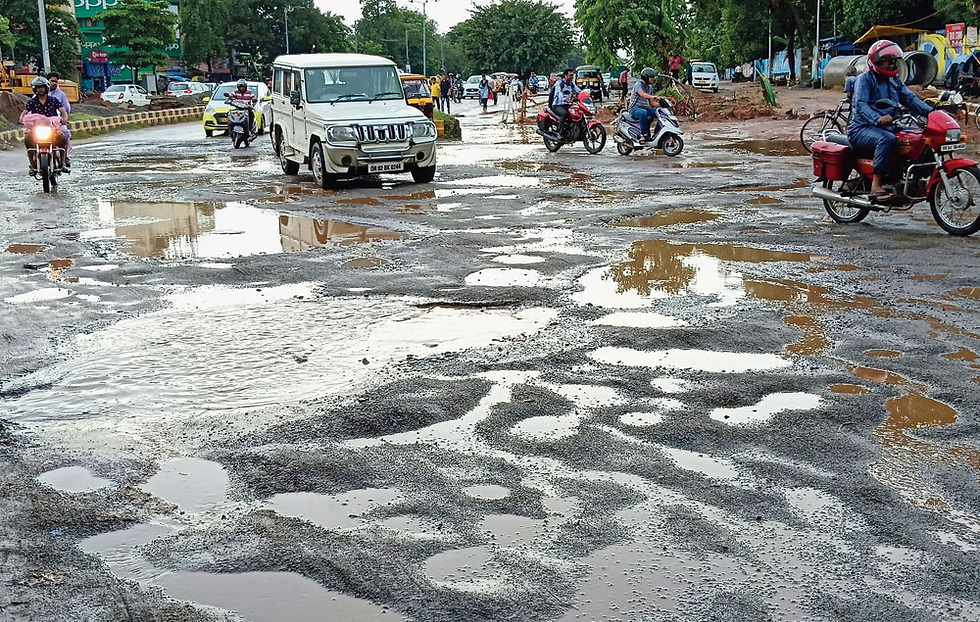
You know the story. The road outside your house was relaid a few weeks ago. After the first heavy rain, the surface has cracked, gravel is coming loose, and water is standing in the low spots. Everyone in the lane complains, but nothing changes.
The good news is that India has several official channels for exactly this problem. Complaints work best when you send them to the right office, with the right evidence, and follow up in the right way. This guide walks you through each step in simple language.
Step 1: Find Out Who Owns and Built the Road
Most complaints fail because they go to the wrong department. In India, different agencies build and maintain different roads:
Type of road | Usually managed by |
Colony lanes, internal city streets | Municipal Corporation / Municipality / Nagar Palika |
Main city roads, state roads | State PWD (Public Works Department) |
National Highways | NHAI or MoRTH |
Village and rural roads | Gram Panchayat, Zila Parishad, or PMGSY (Pradhan Mantri Gram Sadak Yojana) |
Roads inside private colonies or townships | Developer, RWA or the development authority (DDA, GDA, etc.) |
How to find out:
Look for the project signboard at the work site. It usually names the agency, contractor, cost, and start and completion dates.
Ask your ward councillor, the local RWA, or the nearest municipal ward office.
For village roads, the Meri Sadak app can help you identify PMGSY roads. It has a "How to Identify a PMGSY Road" section and a nearby-roads feature.
Step 2: Collect Proof Before You Complain
A complaint with evidence gets taken far more seriously. Spend 15 minutes on this:
Photos and videos. Take close-ups of cracks, loose stones and uneven patches. Also take wide shots showing the road and nearby landmarks. Turn on location and date/time stamps on your phone camera.
Repeat photos. Photograph the same spot again after a few days or after rain. This shows the damage is spreading.
Note the details. Write down the exact address or landmark, the date work was completed, and the contractor's name from the signboard.
Get neighbours involved. Ask a few residents to sign a joint complaint. Officers respond faster when many people complain together.
Save any earlier complaints and their acknowledgment numbers.
Common signs of poor construction:
Cracks or potholes within weeks or months of laying
Surface peeling off, or loose gravel and stones
Road so thin that old layers are showing through
Uneven surface, or no proper slope for rainwater to drain
Water logging right after light rain
Edges crumbling away
Road level raised so high that water flows into houses
Step 3: Use the Official Complaint Channels
Start with the lowest level that can act quickly, then move up.
A. Local body: municipal helplines and apps
For city and neighbourhood roads, start with your municipal corporation or PWD. Many now accept complaints with photos through apps, WhatsApp or helplines. Here are some examples (numbers and apps change, so confirm on your city's official website):
Delhi: According to one civic-help guide, the MCD-311 app and a PWD toll-free helpline (1908) are available, with the PWD also accepting complaints on WhatsApp and by email.
Mumbai: The same guide lists the 1916 helpline, a MyBMC WhatsApp chatbot, and a Pothole QuickFix app with photo and geo-tagging.
Bengaluru: BBMP has a helpline, the Sahaaya app, a WhatsApp bot and a public pothole dashboard.
Maharashtra (PWD roads): The state approved a Pothole Complaint Redressal System (PCRS 2.0) app for citizens, with engineers required to act within set deadlines.
Other states have their own systems, such as CM helplines or "Jan Sunwai" portals. Search "[your state] PWD complaint portal" to find yours.
B. Meri Sadak app (for rural and PMGSY roads)
If your road is in a village or semi-rural area, this app is very useful. It lets citizens register complaints about the pace or quality of work, land disputes and more, for both PMGSY and non-PMGSY roads, with site photographs. You can also track the complaint in the app and reopen it within 10 days if you are not satisfied with the reply.
The response system has deadlines. According to a Lok Sabha reply, nodal officers must give an interim reply within 7 days of receiving the feedback, followed by a final action-taken report. If the state does not respond properly, the Ministry has historically sent National Quality Monitors to inspect and then acted on their reports.
C. Highways: NHAI helpline and Rajmargyatra app
If the poorly built stretch is on a National Highway, NHAI's toll-free 1033 helpline runs 24x7 and takes non-emergency issues such as road conditions and potholes. The Rajmargyatra app also allows complaints. You can attach geo-tagged photos or videos, track status, and the system escalates delayed complaints to higher authorities.
D. CPGRAMS (the national grievance portal)
If local channels do not respond, go to pgportal.gov.in. It is an online platform available 24x7, connected to Central ministries and state governments.
How to use it:
Register and sign in on the portal.
Choose whether the department is Central or State, and select it from the list. If you are unsure, you can pick "Not Known/Not Listed" and DARPG will forward it to the right department.
Write your complaint, upload a PDF with photos or documents, and submit.
Note your registration number to track the status.
Things to know: emailed grievances are not entertained. The time limit for redress is 21 days, and an interim reply with reasons is required if there is a delay. If you are unhappy with the outcome, an appeal can be filed within 30 days for Central ministries or departments. Also, court cases, personal or family disputes and RTI matters are not taken up.
Step 4: Write a Clear, Firm Written Complaint
Phone calls and app complaints are useful, but a written complaint with a received stamp creates a paper trail. Keep it short, factual and polite.
Sample complaint letter
To,
The Executive Engineer / Zonal Commissioner / Assistant Engineer
[Name of department, e.g., PWD / Municipal Corporation], [City]
Subject: Complaint regarding poor quality of road construction at [Street/Colony name, Ward No.]
Respected Sir/Madam,
The road at [exact location] was constructed/resurfaced by [contractor name, if known] between [start date] and [end date]. Within [number] days of completion, the road has developed cracks, loose gravel and water-logging, which shows substandard material or workmanship.
Photographs with date and location are attached. This is causing inconvenience and safety risk to residents, including children, elderly people and two-wheeler riders.
I request you to:
Inspect the road and test its quality,
Get the defects repaired by the contractor at no extra cost to the public, and
Inform me of the action taken within 15 days.
Yours sincerely,
[Name, address, mobile number, signature]
Enclosures: Photographs, signatures of residents
Tips:
Send it to the Executive Engineer (EE) or Assistant Engineer (AE) of the concerned department, with a copy to the Commissioner or ward officer.
Get a stamped acknowledgment if submitting in person. If sending by post, use Speed Post or Registered Post and keep the receipt.
Mention the defect liability period. Many road contracts require the contractor to repair defects free of charge for a fixed period after completion. Asking the department to enforce this is often more effective than simply asking for repairs.
Step 5: Follow Up and Escalate Politely
Do not stop after one complaint. A simple escalation ladder looks like this:
Day 1: File the complaint (app, helpline or written) and save the reference number.
After 7 to 15 days: Send a reminder using the same reference number.
After 3 to 4 weeks: Escalate to the Executive Engineer, Superintending Engineer, Chief Engineer or Municipal Commissioner.
Then: File on CPGRAMS or your state grievance portal, and approach your local MLA, MP or councillor.
If still ignored: Use RTI (see below), and consider media, social media or legal options.
Social media can help. Tag the official handle of your municipal corporation, PWD or city administration. Post photos, the location and your complaint number. Stay factual and avoid abusive language.
Step 6: Use the Right to Information (RTI) Act
RTI is one of the strongest tools you have. It lets you ask for documents that show what was supposed to be built versus what was actually built.
Useful questions to ask:
Copy of the work order, estimate and technical specifications for the road
Name of the contractor and the sanctioned cost
Date of start and completion, and the completion certificate
Quality-test reports (material tests, thickness tests)
Names of engineers who supervised and approved the work
Details of the defect liability or maintenance period
Action taken on complaints received about this road
Key facts:
For Central public authorities, the application fee is ₹10. State fees are fixed by each state's rules, and BPL applicants pay no fee.
The authority must reply within 30 days.
If you get no reply or are unhappy with it, you can file a First Appeal to the designated First Appellate Authority. This must be done within thirty days.
You can apply online at rtionline.gov.in for Central bodies. Many states have their own RTI portals, and you can always apply on plain paper by post or in person.
RTI often gets an official to start moving, because they know the file will be examined.
Step 7: Legal and Higher Options (If Nothing Works)
If the road is dangerous or the corruption is obvious and ignored:
Lokayukta or State Vigilance department: for suspected corruption or misuse of funds.
State Human Rights Commission or Consumer forums: in some cases, for serious injury or loss caused by road defects. Ask a lawyer whether this fits your situation.
Writ Petition or PIL in the High Court: residents' groups sometimes file these for chronic, unsafe roads. Consult a lawyer, or approach a legal aid service if cost is a concern.
Note: This article gives general information and is not legal advice. For a specific legal problem, please consult a qualified lawyer.
Do's and Don'ts
Do:
Be specific about location, dates and defects
Keep copies of everything, including acknowledgments
Complain as a group (RWA or neighbours) when possible
Keep following up with reference numbers
Don't:
Accept a "complaint closed" message if the road is still bad. Reopen it or appeal.
Use abusive language or make unproven personal allegations against officers
Post false accusations online. Stick to facts and documents.
Let contractors "patch" a defect superficially. Ask for proper repair as per specifications.
Frequently Asked Questions
Can I complain anonymously?Some helplines allow it, but complaints with your name and contact details are easier to track, and you can appeal if needed.
How long does it take to get a road repaired?It varies widely by city and season. Formal deadlines exist for acknowledging and responding to complaints, as seen above, but actual repair can take longer, especially in the monsoon.
What if the complaint is closed without fixing the road?Reply on the same portal citing the complaint number. Where reopening or an appeal is allowed, use it (Meri Sadak allows reopening within 10 days, and CPGRAMS has an appeal process). Otherwise, escalate in writing and file an RTI.
Are these helpline numbers permanent?Not always. Government apps, numbers and portals are updated from time to time, so confirm on the official website of your municipal body or department before relying on them.
Final Thoughts
Bad roads are not something you simply have to live with. When residents document the problem, complain to the correct authority, and follow up patiently with written proof and RTI, contractors and departments are far more likely to act. Start small: take your photos today, find out who owns the road, and file your first complaint this week. Your neighbours will likely join you once they see it working.


Comments